


Importing Vehicles from China into Germany and France: A Manufacturer’s Guide
13 Nov, 2026
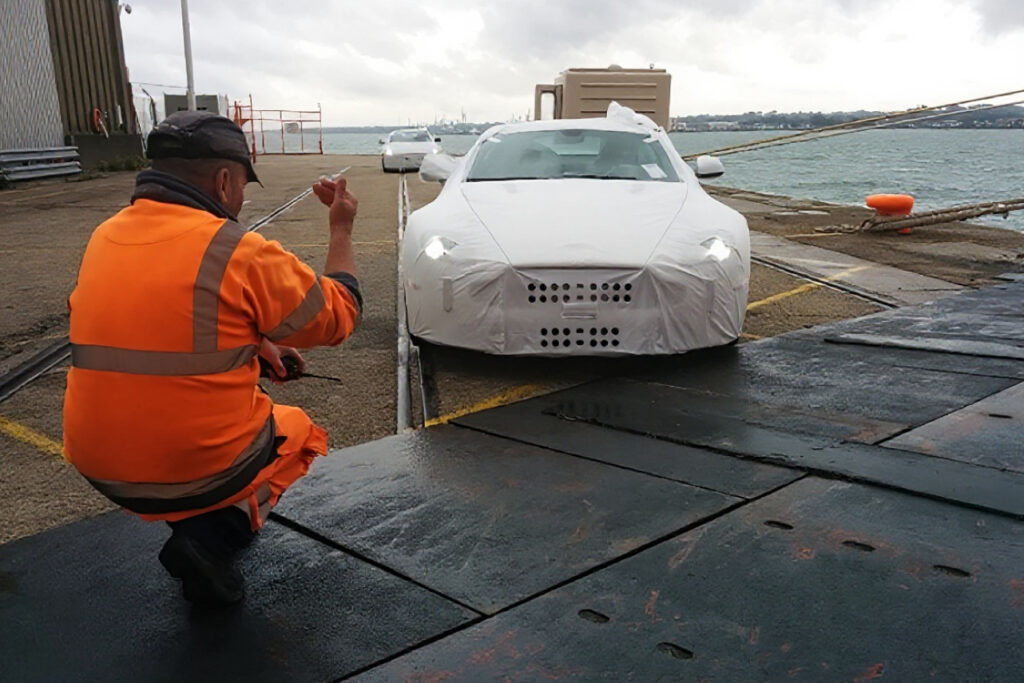
Germany and France are two of Europe’s largest new car markets, and the most important targets for manufacturers expanding from China. Both sit inside the EU customs union, so vehicles cleared in one member state can circulate freely in the other. That makes the first decision the most important: where your vehicles enter Europe, and how they flow from there.
<h3″>Choosing the EU entry point
Major vehicle gateways for China–Europe services include Bremerhaven and Emden in Germany, Le Havre in France, and Zeebrugge and Antwerp in Belgium, which serve both markets. The best entry port balances vessel frequency, terminal capacity, onward road and rail links, and distance to your compounds and dealers.
Many choose to land at one hub and distribute across several countries by road. Others split volume between ports to cut inland mileage and reduce dependency on a single terminal.
Customs and duties
Passenger cars imported into the EU attract a standard customs duty of 10%. Battery electric vehicles built in China also face additional EU countervailing duties, which vary by manufacturer. Import VAT is due at the local rate: 19% in Germany and 20% in France. Non-EU manufacturers usually need an EORI number and may need a fiscal representative to recover VAT.
To keep cash flow under control, vehicles can move under customs transit or be held in a customs warehouse until they’re sold or registered. Our international freight services team manages documentation across the route.
Type approval and registration
Models need EU Whole Vehicle Type Approval, with a Certificate of Conformity for each vehicle. Registration is then handled nationally, through the KBA framework in Germany and the ANTS system in France. Delays in approval or paperwork leave stock sitting at the port, so align sailings with homologation timelines.
Inland distribution in Germany and France
Ontime operates its own European depots in Bergheim, Germany and Calais, France. These give manufacturers:
- Secure storage to buffer vessel arrivals against dealer demand
- A base for consolidation, preparation and onward finished vehicle distribution
- Enclosed car transport across the continent for premium, launch and press vehicles
- A cross-Channel link between UK and EU from Calais
All movements report into our Control Tower, so stock in Germany, France and the UK sits in one view.
UK and EU: run them together
Most manufacturers entering Europe target the UK too. The UK is a separate customs territory with its own approval regime, but planning both together lets you share vessel space, buffer stock and distribution resources. See our companion guide to shipping vehicles from China to the UK.
Common pitfalls
- Treating each country as a separate project instead of one network
- Underestimating countervailing duty exposure on EVs in pricing models
- Landing at a port with poor inland links to the dealer footprint
- No compound capacity for bunched arrivals
Plan your European import network with Ontime.
Posted in
Uncategorized


